A constant hurdle that people with epilepsy find themselves facing is explaining their condition to various people in their lives. Epilepsy is not a narrow definition there is a range of symptoms as well as a range of severity that affects someone’s life.
What is JME?
At 15 I was diagnosed with Juvenile Myoclonic Epilepsy (JME).
Are you ever relaxing into a restful sleep and just as you start to sink into a deep sleep you jerk awake? Sucks doesn’t it.That is a myoclonic jerk. Some say it’s a survival tactic for the nervous system to stop your breathing and heart from slowing down too much. Everyone has it happen once and a while.But for me it goes further than a jump start awake. When I am tired I am far more prone to absent seizures, partial seizures that manifest in hand twitches and stuttering. These momentary jerks can quickly turn into a Grand mal seizure.
I was told at 21, after being seizure free for 6 years that I may be one of the 10% of those diagnosed with JME who outgrow it. So given that I had been trying to cope with years of side effects from the medication I stopped taking it with my doctors permission. I was soon corrected on this notion, by having a severe grand mal seizure 2 months later. The next 6 years are peppered with seizures triggered by being overworked (night shift and shift work), stressed and missing medication.
A seizure is when you fall down and shake right?
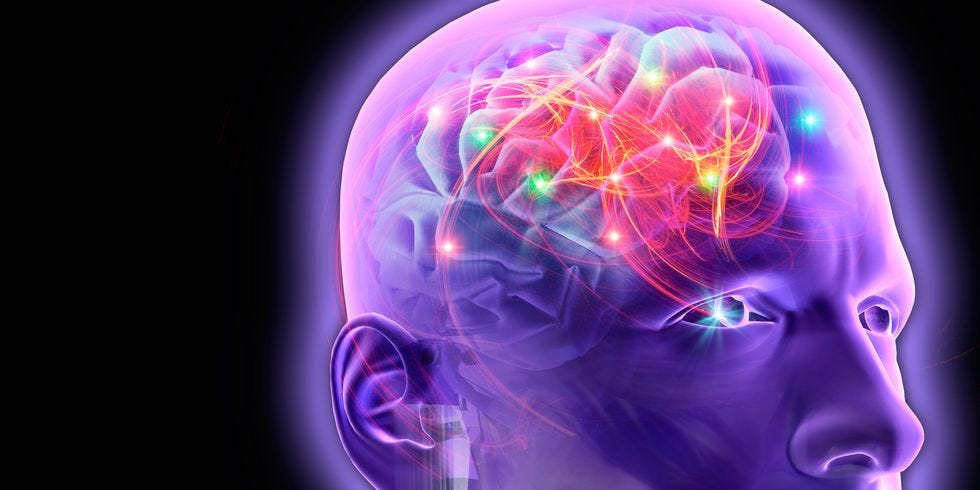
Sometimes yes. There are a few different kinds of seizures, all caused by a “hiccup” in the communication of the synapses responsible for transmitting that message. Not only are there hiccups in the message itself but hundreds of other messages are firing off simultaneously, resulting in random sounds, actions and even visions or smells.
Why do you have seizures?
Personally, lack of sleep along with not taking my meds cause my seizures. For others; blood sugar, fever or even the phases of the moon can trigger seizure activity.
What does a seizure feel like?
I get this question a lot.
When I don’t take my medication I feel a buzz in my nerves, a shakiness and often have hand tremors. The jerks and twitches occur like reflexes by something out of my control. The only way I calm them is by smoking CBD. (Taking Oil would help in 30 mins but when I need instant relief , inhalation works best). Some people do have sedatives or prescriptions like ativan to keep at home when seizure activity is present to prevent further seizing.
When I stutter, I have the clarity to know what I am trying to say, it’s clearly in my mind’s eye. I can feel a resistance, a dark out in power, that is not allowing that message to get to its destination.
Grand mals, sometimes it is like fainting, you go about your business and your body just powers off (from your point of view) while to others you appear to drop, make odd noises and shake. Other times I have felt the control leave me, like something else is taking the wheel of control from my hands and is deciding what and how I function.
What can I do to support a friend or family member with Epilepsy?
Given that people experience seizures differently, the main item to discuss with them is what they find helpful should they have a seizure in your presence. For those who primarily experience absent and partial seizures, be patient as that can interfere with their comprehension of reality leaving them confused or forgetful. While others may loose control of their bowels and/or bladder during the seizure and want to be covered with a towel or something similar.Knowing that this may occur can help you be more calm and prepared for if/when it happens. It can also alleviate anxiety for the individual by knowing that those around them have tools to keep you safe and have a level of understanding of what they cope with everyday.
If the person drops to a grand mal:
- Move items from around them
- Put something soft under their head and place them on in the Recovery Position.
- Call 911 and their emergency contact
- Take note of the time. Many seizures should stop on their own, sometimes medical intervention is needed to stop the seizing.
- Do not shout at the person (they cannot hear you) or restrict movement.
- As they regain consciousness, they make talk or act in a nonsensical manner. Their brain is literally trying to regain control so there is often a disconnect between actions and the part of the brain responsible for awareness and memory.


